Jaisalmer, famously called the Golden City of Rajasthan, is a destination that draws travelers with its majestic fort, havelis, desert safaris, and starry nights in luxury camps. However, planning the perfect trip is not just about where to go—it’s also about when to go. The best time to visit Jaisalmer can make all the difference between a magical desert adventure and an exhausting, uncomfortable trip.
Located in the heart of the Thar Desert, Jaisalmer experiences extreme weather conditions. Summers can be scorching hot, winters are pleasantly cool, and the monsoon brings occasional relief but limited activities. For those who want to enjoy a Jaisalmer desert safari or sightseeing across the city’s rich heritage, timing is everything.
This blog will guide you through every season—summer, monsoon, and winter—so you can decide the right time for your journey.
Unlike hill stations, Jaisalmer’s climate is extreme due to its desert location. The open landscapes, sand dunes, and minimal vegetation mean that the sun is unforgiving during the day, and temperatures drop sharply at night.
Day vs Night Difference: In the desert, daytime heat can reach over 45°C in summer, while nights may feel surprisingly cool.
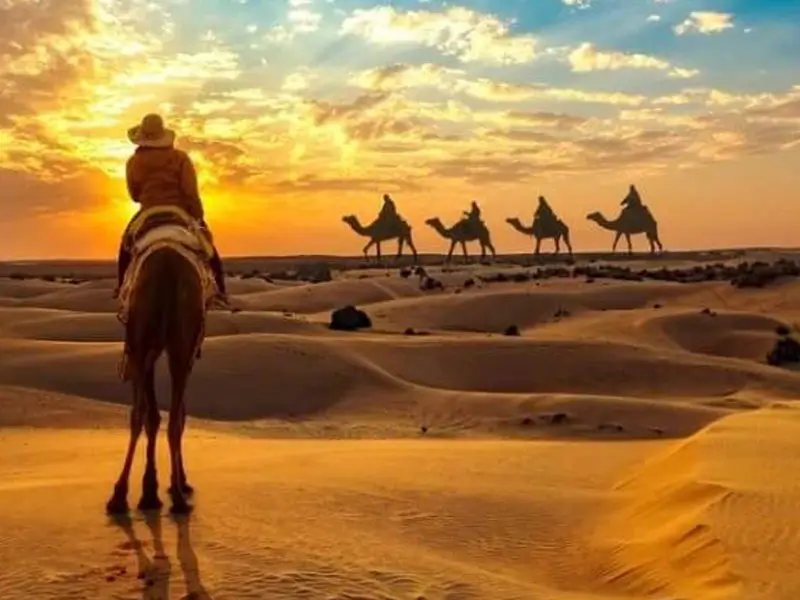
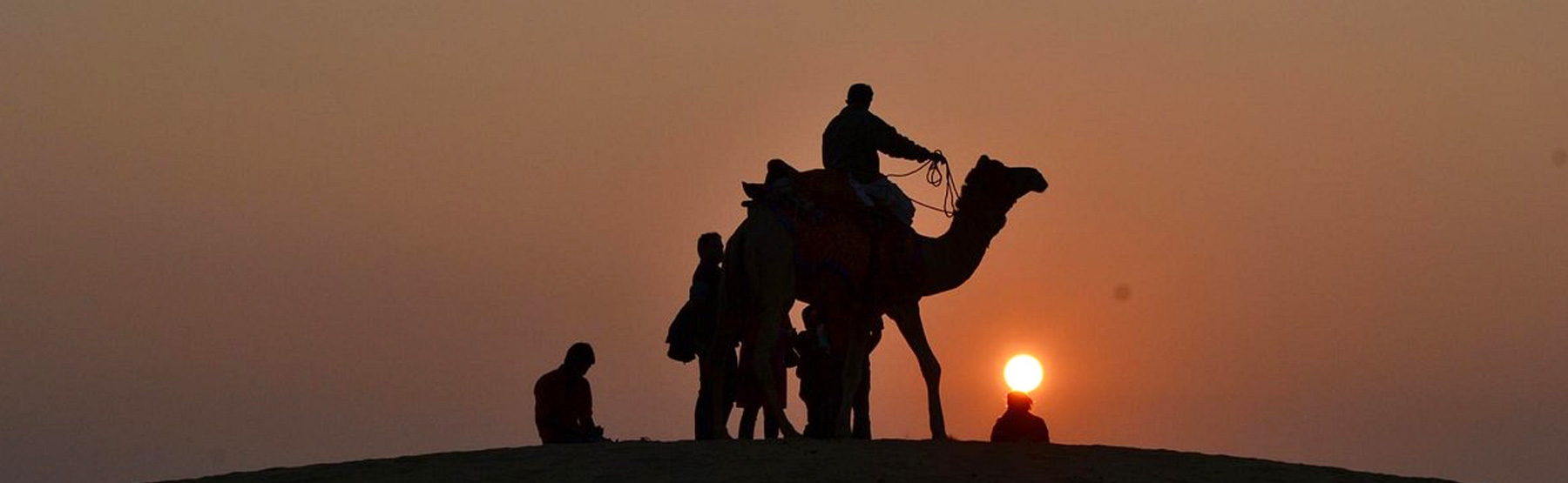
Activity Dependence: A Jaisalmer desert safari is mostly done in the evening, when the dunes glow golden under the setting sun.
Comfort Factor: Exploring Jaisalmer attractions like forts and havelis is best when the weather allows comfortable walking.
1. Winter (October to March) – The Peak Season
This is considered the best time to visit Jaisalmer. The weather is pleasant, making it ideal for both sightseeing and desert safaris.
Temperature Range: 10°C – 25°C
Activities Possible:
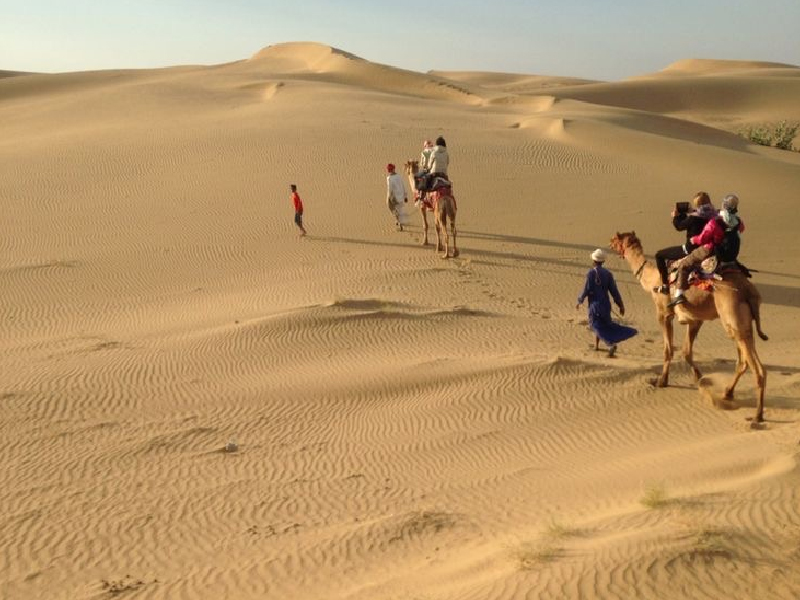
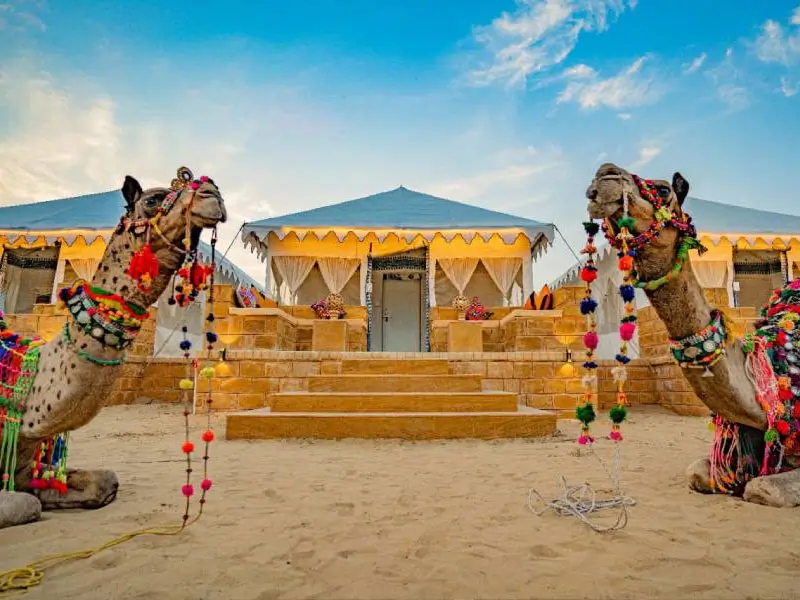
Camel rides across Sam Sand Dunes.
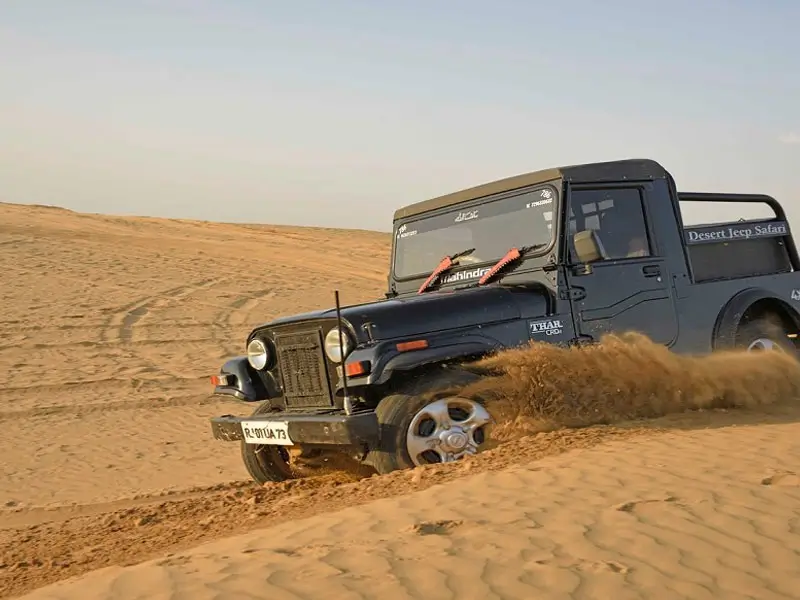
Jeep safari Jaisalmer for adventure seekers.
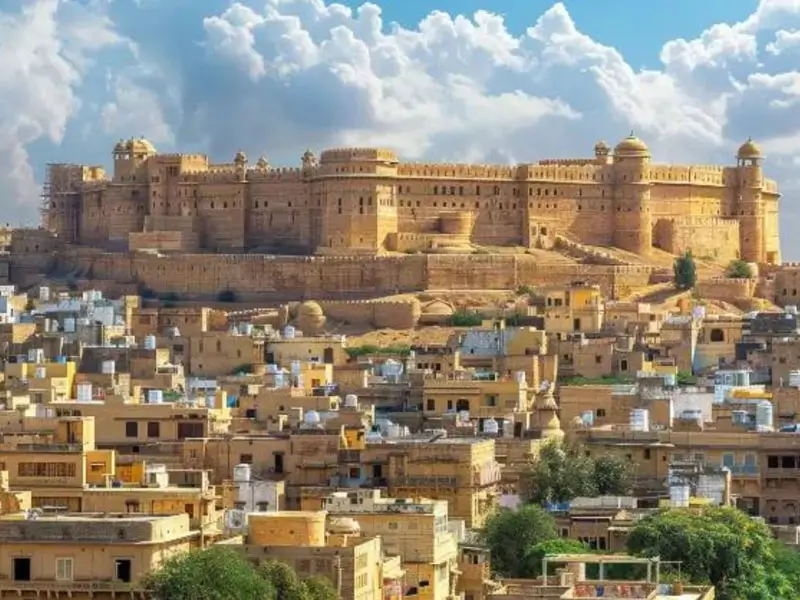
Exploring Jaisalmer Fort, Patwon ki Haveli, and Gadisar Lake.
Cultural evenings with folk dance and music.
Special Highlights:
Desert Festival (February): A three-day celebration of Rajasthani culture with camel races, folk performances, turban-tying competitions, and more.
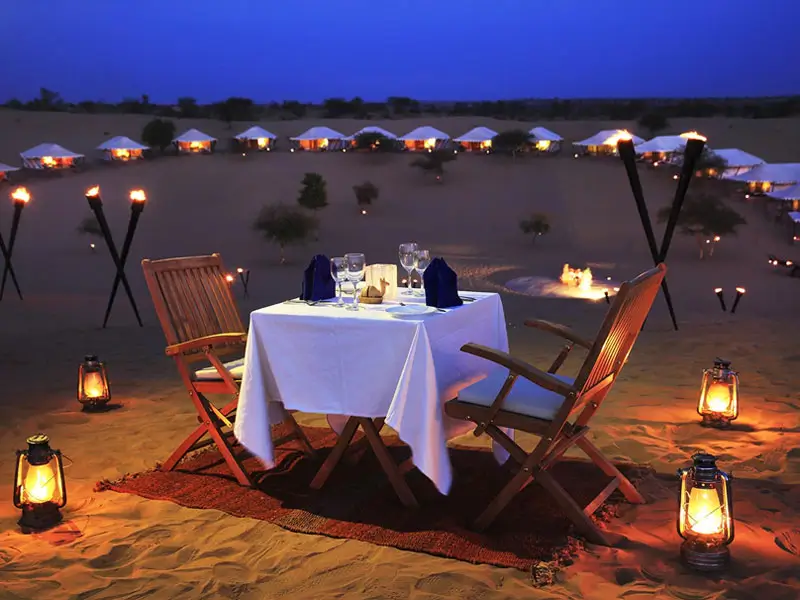
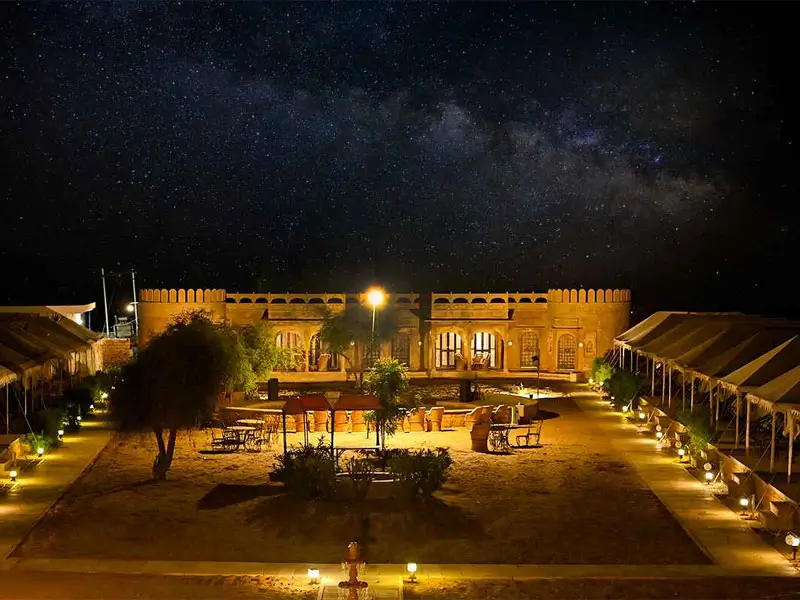
Ideal weather for stargazing in desert camps.
Why Choose Winter?
Comfortable for walking tours.
Perfect climate for camping.
Best season for international travelers.
Summer is not recommended for most tourists due to extreme heat, but some offbeat travelers still choose this time for fewer crowds and cheaper prices.
Temperature Range: 25°C – 45°C (sometimes higher)
Challenges:
Daytime heat makes desert safaris uncomfortable.
Risk of dehydration and sunburn.
Advantages:
Lower hotel and camp prices.
Empty tourist attractions—no waiting crowds.
Who Should Visit in Summer?
Travelers seeking budget trips.
Photographers who want quiet landscapes without crowds.
Those comfortable with early morning or late evening safaris.
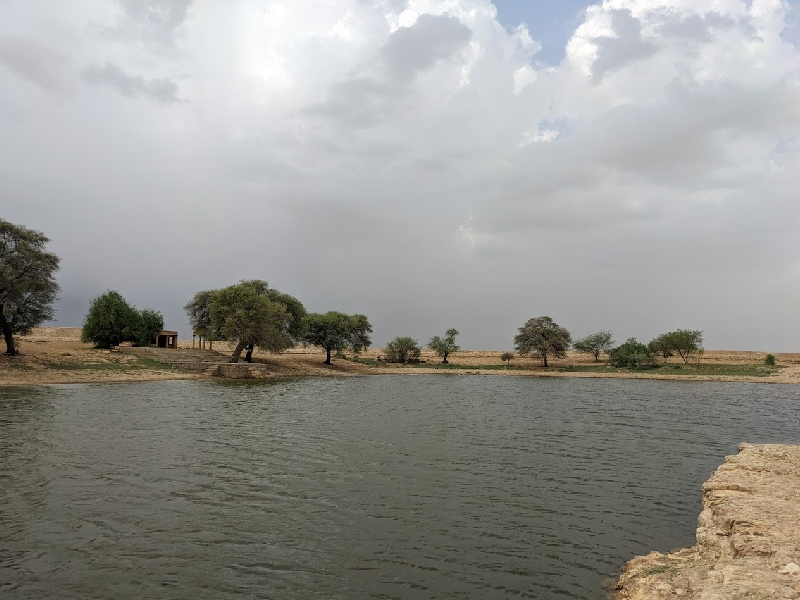
Though Jaisalmer receives very little rainfall, the monsoon still changes the desert’s appearance.
Temperature Range: 23°C – 35°C
Rainfall: Low to moderate, but enough to reduce heat.
Experiences:
Sand dunes look different after rainfall, with firmer textures.
The city appears fresher compared to dry summer.
Limitations:
Desert safaris may be limited on rainy days.
Outdoor activities depend on weather unpredictability.
Why Consider Monsoon?
Budget-friendly stays.
Quieter tourist spots.
A unique desert look rarely seen by travelers.
October: Start of tourist season, cooler evenings, perfect for sightseeing.
November: Ideal weather, good for safaris and camping.
December–January: Peak of winter, very popular months, desert nights can be chilly—carry warm clothes.
February: Best month with Desert Festival, pleasant weather.
March: End of winter season, warm afternoons but still manageable.
April–June: Harsh summer, avoid unless budget is a priority.
July–September: Short monsoon, unpredictable but low prices.
The highlight of Jaisalmer is always the desert safari. Whether you choose a camel safari Jaisalmer or a jeep safari Jaisalmer, timing is key:
Evening Safaris (4–7 PM): Best for sunsets over Sam Sand Dunes.
Morning Safaris (5–8 AM): Good for photographers seeking golden light.
Winter Season Safaris: Ideal for longer rides and overnight stays.
Summer Season Safaris: Restrict to short evening rides only.
Some Jaisalmer attractions are best experienced depending on season and time of day:
Jaisalmer Fort: Visit in the morning before crowds arrive. Winter makes exploring easy.
Patwon ki Haveli: Best in cooler months to walk through narrow streets comfortably.
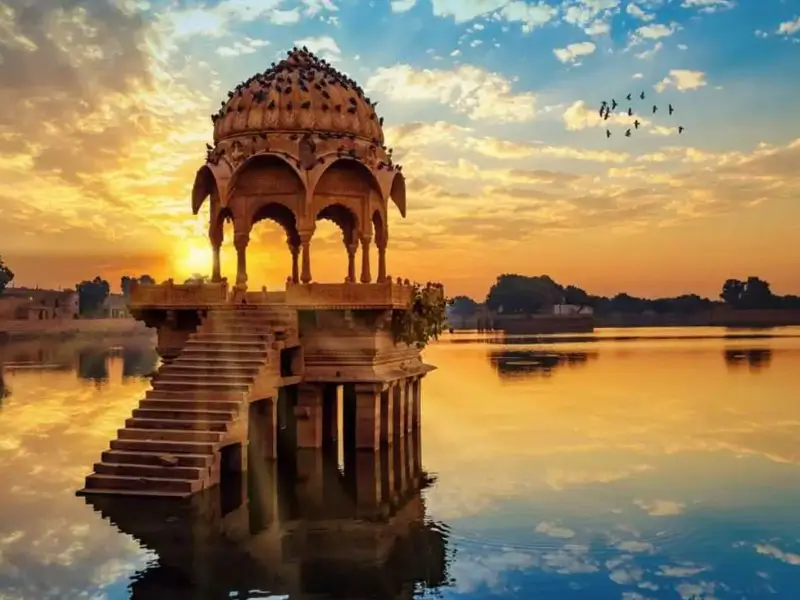
Gadisar Lake: Sunrises and sunsets look magical here, especially in winter.
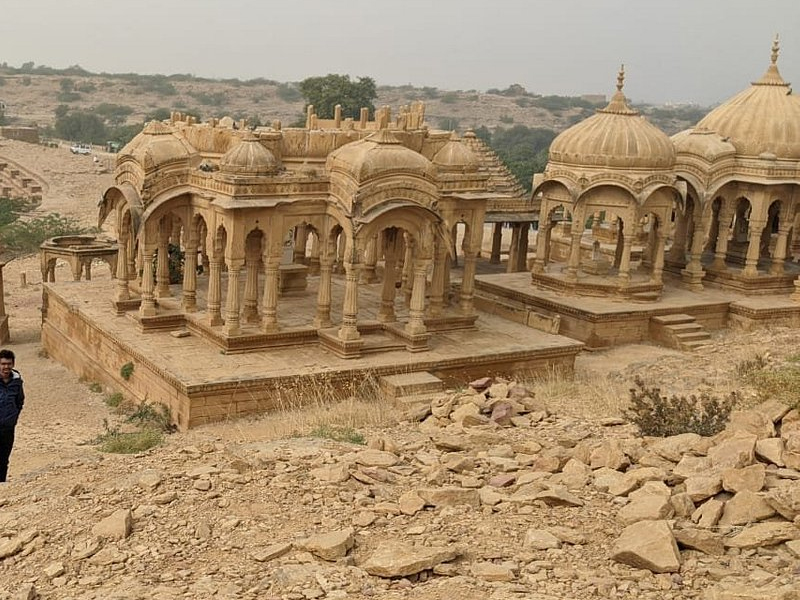
Bada Bagh: Visit during evening hours when cenotaphs glow golden.
Jaisalmer Desert Festival (February): Cultural extravaganza with folk music, camel polo, and craft bazaars.
Diwali (October/November): Fort and city light up beautifully.
Holi (March): Celebrated with colors and traditional music, adding festive charm.
Planning your trip around these events enhances the experience, especially if you want to combine sightseeing with cultural immersion.
Winter: Full operations with cultural evenings, bonfires, and stargazing.
Summer: Limited activity, but luxury tents with cooling options are cheaper.
Monsoon: Some camps close operations, but budget-friendly ones may still function.
Winter: Most budget camps run at full capacity, offering authentic evenings.
Summer: Not advisable—tents can be too hot without proper cooling.
Monsoon: Few camps remain open, often with reduced rates.
Winter Travel Tips: Carry light woolens for the night. Book early—this is peak season.
Summer Travel Tips: Carry sunscreen, caps, and stay hydrated. Limit safaris to evening.
Monsoon Travel Tips: Keep rain gear handy, check with camp operators for activity availability.
Families: Best during winter (comfortable for children and elders).
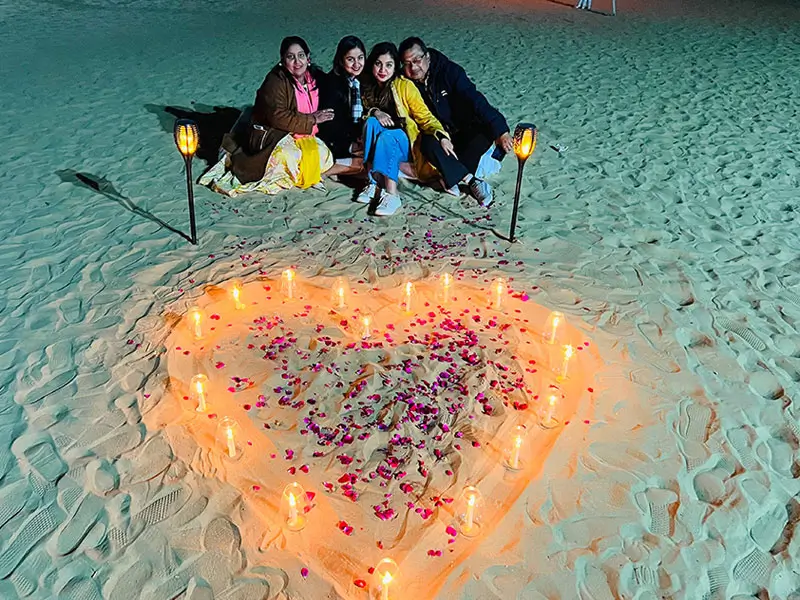
Couples: Winter is perfect, especially around December–February.
Backpackers: Monsoon or summer for cheaper stays.
Photographers: Winter sunsets, monsoon landscapes, and early mornings year-round.
If you want to enjoy Jaisalmer at its absolute best, October to March is the clear winner. The weather is comfortable, desert safaris are enjoyable, and cultural festivals are in full swing. For those who prioritize budget, summer and monsoon offer cheaper stays but with limitations.
To truly experience the golden glow of the Thar Desert, the cultural vibrance of folk evenings, and the comfort of exploring historic monuments, winter is undoubtedly the best time to visit Jaisalmer. Pair it with a Jaisalmer desert safari at Sam Sand Dunes, and you’ll carry back memories that last a lifetime.